 IN-X Machine, Inc.
 In precision machining, mistakes are expensive. A single programming error can lead to scrapped material, broken tools, or unexpected downtime. That’s why CNC programming simulation plays such a vital role in modern manufacturing. One of its most important applications is toolpath simulation—the process of virtually testing machining instructions before a job ever reaches the shop floor.
At In-X Machine, CNC programming is a key part of transforming computer-aided design (CAD) files into reliable, efficient machining processes. By simulating toolpaths during programming, potential issues are identified early, helping ensure parts are produced accurately, safely, and consistently.
Understanding Toolpath Simulation in CNC Programming
Toolpath simulation is a core function of CNC programming simulation. It allows programmers to visually model how cutting tools will move through material, how the machine will position each axis, and how the entire operation will unfold step by step.
Instead of relying solely on written code, this provides a digital preview of the machining process. Modern CAM systems use simulation to validate toolpaths, detect potential collisions, and confirm machining strategies before a program ever reaches the machine. Programmers can see tool engagement, verify cutting order, and confirm that each move aligns with the intended design. This visibility makes it easier to detect problems that might otherwise go unnoticed until production begins.
How It Prevents Costly Errors
One of the biggest advantages of CNC programming simulation is error prevention. Issues like tool collisions, over-travel, incorrect depths, or inefficient movements can be identified and corrected before machining starts.
By using it, programmers can:
- Detect potential collisions between tools, fixtures, and parts
- Verify tool reach and clearance
- Confirm proper sequencing of machining operations
- Identify unnecessary motion that increases cycle time
Fixing these issues in the simulation stage is far more efficient than discovering them during machining. This proactive approach protects machines, tooling, and material while keeping production schedules on track.
Supporting Accuracy and Repeatability
Consistency is essential in precision machining, especially when parts must meet tight tolerances or be produced repeatedly. CNC programming simulation helps ensure that the programmed toolpath will perform the same way every time it runs.
Programmers can fine-tune feeds, speeds, and cutting strategies to produce stable, repeatable results. This process reduces variability and supports reliable outcomes from the first article through production runs. At In-X Machine, this level of control is critical to maintaining part quality and meeting customer expectations.
Toolpath Simulation and Multi Axis Machining
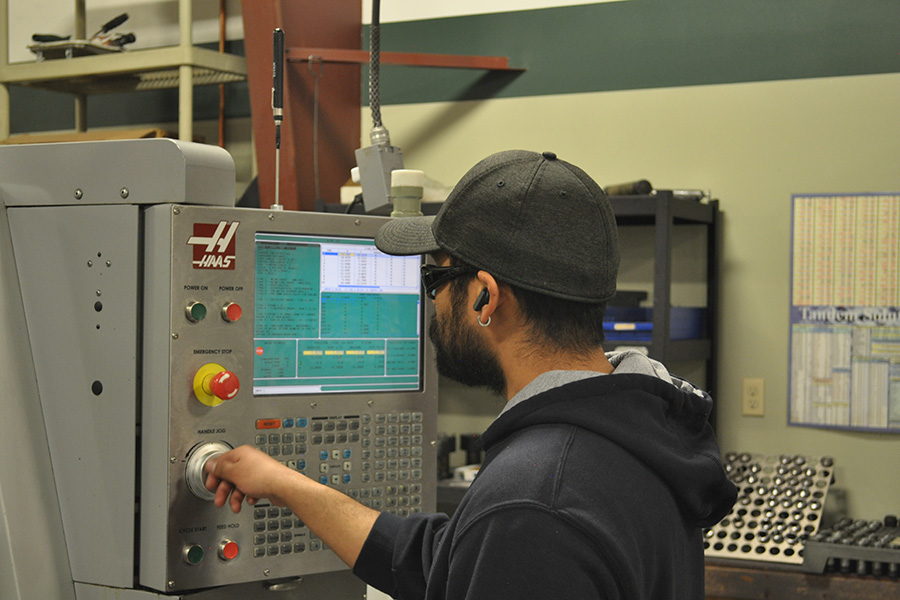 As part complexity increases, CNC programming simulation becomes even more important—particularly for jobs that involve multi axis machining. Multi axis machining introduces simultaneous movement across multiple axes, which increases both capability and risk if programming isn’t thoroughly verified.
Toolpath simulation allows programmers to visualize how each axis moves together throughout the machining process. CNC programming simulation helps confirm tool orientation, rotation limits, and safe transitions between operations. This is especially valuable in multi axis machining, where even minor errors can cause major issues.
By simulating these complex movements in advance, programmers can optimize machining strategies while maintaining accuracy and safety.
Improving Efficiency Before Machining Begins
Beyond error prevention, CNC programming simulation also improves efficiency. By analyzing toolpaths in a simulated environment, programmers can remove redundant movements, streamline cutting paths, and reduce overall cycle time.
Small optimizations uncovered during it can lead to meaningful gains—especially in production environments where time savings per part quickly add up. Simulation helps ensure that machines spend more time cutting and less time repositioning, waiting, or correcting avoidable problems.
From Digital Design to Confident Execution
Toolpath simulation acts as the bridge between design intent and real-world machining. CNC programming simulation allows programmers to validate every step of the process before material is loaded into a machine. This approach reduces uncertainty and builds confidence that a job will run smoothly from start to finish.
By integrating it into the programming workflow, machining operations become more predictable, efficient, and controlled. It’s a behind-the-scenes process that plays a major role in delivering accurate parts, reducing risk, and supporting the high standards required in modern precision machining.