 IN-X Machine, Inc.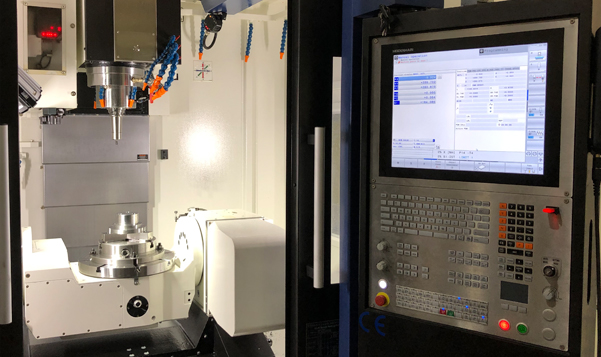
Choosing a precision machine shop involves more than finding a company with CNC equipment. Looking at capabilities, quality controls and production support can help buyers identify a dependable manufacturing partner.
Start With the Part and Its Requirements
A capable precision machine shop should review the project before production begins. That includes the drawing, dimensions, features, tolerances, quantity and delivery requirements. Material, geometry and intended use can influence the equipment, tooling, setup and inspection plan selected for the job.
Buyers should provide current drawings and clearly identify critical dimensions. It also helps to discuss whether the order is a prototype, a small batch or a recurring production run. Complete information makes it easier for a precision machine shop to plan accurately and identify questions before material is cut.
Match Equipment to the Work
A long equipment list is useful only when the machines fit the project. A precision machine shop may use CNC mills for flat surfaces, slots, pockets and holes, while CNC turning centers suit round parts and features created as the workpiece rotates. Multi-axis equipment can reach several sides or angles with fewer setups.
Fewer setups may improve workflow and reduce opportunities for repositioning errors. However, the most advanced machine is not automatically right for every part. A qualified precision machine shop should choose a process based on the design instead of forcing every project through the same equipment.
Consider the Move From Prototype to Production
Prototypes help evaluate dimensions, fit and manufacturability before larger quantities are ordered. When a precision machine shop supports both prototyping and production, knowledge gained during the early stage can carry into later runs.
That transition requires more than increasing the quantity. The precision machine shop may need to refine tooling, fixturing, programming, inspection frequency and scheduling. Buyers should ask how the precision machine shop maintains consistency when an order moves from a few components into repeat production.
Look Closely at Inspection and Documentation
Precision cannot be established by appearance alone. A precision machine shop needs suitable inspection equipment and a defined method for checking important features. Depending on the part, inspection may involve coordinate measuring equipment, optical comparison, height measurement, hardness testing or calibrated granite inspection tables.
Documentation matters as well. Job records and historical inspection data can help a precision machine shop review previous work, maintain repeatability and support future orders. Buyers in controlled industries should discuss required records, inspection reporting and traceability before approving a quote.
Evaluate Certifications in Context
Certifications do not replace machining skill, but they can show that a precision machine shop follows a structured quality system. AS9100D, for example, is especially relevant to aerospace-related supply chains. Defense work may also involve ITAR requirements and controlled technical information.
The right qualifications depend on the project. Buyers should confirm that a precision machine shop has the certifications, compliance practices and documentation their organization requires rather than assuming every certification applies to every job.
Questions to Ask Before Requesting a Quote
A productive conversation with a precision machine shop should address practical details such as:
- Can the available milling or turning equipment accommodate the part?
- Is multi-axis machining appropriate for its geometry?
- Can the shop support the required order quantity?
- How will critical dimensions be inspected?
- What drawings, models and documentation are needed?
- Can the same precision machine shop support prototypes and future production?
These questions reveal how the precision machine shop approaches planning, production and verification.
How We Support Precision Manufacturing
At In-X Machine, we operate an 11,000-square-foot facility with CNC milling, turning, multi-axis machining, probing, finishing and inspection capabilities. Our equipment includes full 5-axis machining centers, turning centers with bar feeders, live tooling and a sub-spindle, along with CMM and other quality-assurance equipment.
Our precision machine shop can support milling and turning orders ranging from 10 to 10,000 parts. We also work with customers moving from prototype development into production. Our AS9100D-certified quality management system and ITAR compliance support demanding manufacturing requirements, while our production capabilities serve aerospace, medical, defense, automotive, technology and other industrial markets.
A precision machine shop should make complicated manufacturing requirements easier to manage. We combine planning, programming, machining, finishing and inspection to produce accurate components while supporting the quantities and schedules established for each project.