 IN-X Machine, Inc.
 A cnc lathe is one of the core machines used in modern precision manufacturing. While some people hear the term and think only of simple round parts or threaded components, this type of equipment can do much more than that. It is built to create accurate, repeatable parts at a fast rate, which makes it important for both prototype work and production machining.
At In-X Machine, this capability is part of a broader production machining process designed for both speed and precision. Our CNC lathe machines, or mill-turn lathes, are advanced versions of traditional lathes that can handle highly detailed projects quickly. We also support milling and turning projects ranging from 10 parts to 10,000 parts for industries such as medical, aerospace, defense, technology, and automotive.
How It Works
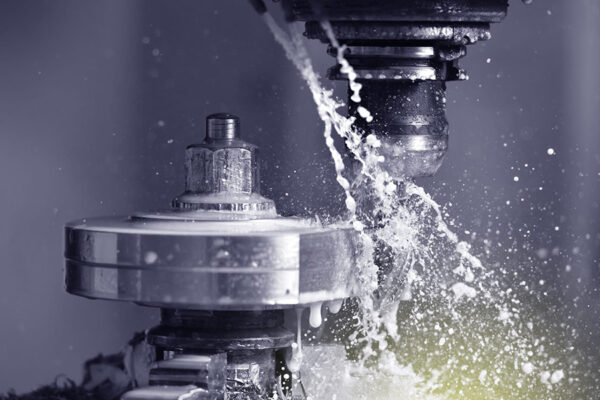 In simple terms, a cnc lathe shapes a part by rotating the material while the cutting tools remain positioned around it. This is one of the main differences between a lathe and a milling machine. In milling, the cutting tool usually rotates and moves against a more stationary workpiece. In turning, the part itself spins as it is being machined.
We also describe our mill-turn lathe setup as using bar stock that can move through a bushing with a sliding headstock. This means the machine exposes only the section of the part currently being machined. That setup helps improve accuracy because it supports the material more effectively during cutting. This increases precision while minimizing deflection.
That matters because even a small amount of movement in the material can affect the final result. When deflection is reduced, the machine can hold finer details and produce more consistent pieces.
Why Precision Matters
One of the biggest reasons manufacturers rely on a cnc lathe is precision. When parts have small diameters, long lengths, or detailed features, stability during machining becomes especially important. A machine that controls movement well is better able to deliver the accuracy those pieces require.
At In-X Machine, the production machining process is built around high precision, automation, and efficiency. Our in-house CNC machines help replicate parts rapidly and support both low and high production volumes. That combination of repeatability and speed is especially valuable when turned parts need to be made over and over again with the same quality.
What It Can Make
This is where many misconceptions come in. A lot of people assume a cnc lathe is only useful for screws or basic threaded parts. We directly address that idea and explain that our lathe capabilities can produce a wide variety of designs, including very long parts with small diameters that are highly detailed and precise.
That means this process can be a strong choice for:
- long, narrow precision parts
- detailed cylindrical components
- threaded parts
- repeatable production parts with tight dimensional control
This range is one reason lathe work remains such an important part of CNC production machining. It is not limited to one kind of part. Instead, it supports a wide range of applications where speed, detail, and consistency matter.
Where It Fits in Production
A cnc lathe is not just a standalone machine. It is part of a larger manufacturing process. At In-X Machine, we combine turning with CNC milling, finishing capabilities, and quality-focused processes to support production work more efficiently. That matters for customers who need more than one machining process or who want a smoother path from raw material to finished part.
Because we handle both milling and turning projects, buyers can work with a team that understands how different machining methods fit together in production. That can be especially useful when part designs are more detailed or when repeatability matters across larger runs.
Why Understanding the Process Helps
Understanding what a cnc lathe is makes it easier to understand why it matters. It is a precision-focused machine built to rotate material, reduce deflection, and produce detailed parts efficiently. It can do much more than many buyers expect, especially when advanced mill-turn technology is involved. For companies sourcing precision components, understanding how it works is a helpful first step toward choosing the right manufacturing process for the job.