 IN-X Machine, Inc.
 When comparing CNC machining vs 3D printing, there is no single process that is best for every project. Both can turn a digital design into a physical part, but they work in very different ways. The right choice depends on factors such as material, tolerances, surface finish, quantity, and how the finished part will be used. For projects that require precision, repeatability, and production-ready materials, CNC machining often has clear advantages.
At IN-X Machine, we specialize in CNC production machining for industries including aerospace, defense, medical, automotive, and technology. Its in-house capabilities support projects ranging from 10 parts to 10,000, making it a practical option for both smaller runs and larger production needs.
Understanding the Difference Between the Two Processes
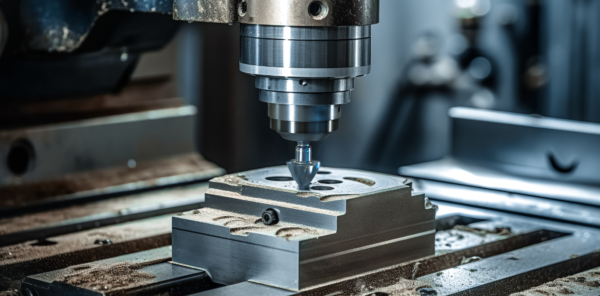
The main difference in CNC machining vs 3D printing is how each process creates a part. Machining is subtractive, meaning it starts with solid material and removes what is not needed through operations such as milling, drilling, boring, or turning.
3D printing is additive. It builds a part layer by layer from a digital model. This can make it useful for certain prototypes and complex shapes, while CNC machining is often better suited to parts that need precise dimensions, durable materials, and a more production-ready finish.
When Tight Tolerances Are Important
Precision is one of the biggest reasons to consider CNC machining. Computer-controlled equipment follows programmed instructions to remove material accurately and consistently.
We use CNC mills with multi-axis capabilities, including 5-axis production. Machining from multiple angles with fewer setups can help improve accuracy, especially on more detailed parts. Its turning equipment is also designed to minimize deflection and support precise results.
When comparing CNC machining vs 3D printing, tolerances should be considered early. If a component must fit closely with other parts, maintain specific dimensions, or perform reliably in a demanding application, machining may be the stronger choice.
Material Requirements Can Change the Decision
The way a part will be used matters just as much as its shape. A prototype designed mainly to show form may not need the same material properties as a finished production component.
We work with a range of materials, including plastics, aluminum, stainless steel, and tool steels. CNC machining starts with solid stock, which allows manufacturers to select materials based on the strength, durability, and performance needs of the finished part.
When weighing CNC machining vs 3D printing, ask:
- What material does the finished part require?
- Will the part face mechanical loads or demanding conditions?
- Are there specific dimensional or surface requirements?
- Does the prototype need to closely match the final production part?
These questions can make the best manufacturing method easier to identify.
Which Can Be Better for Production Runs
Prototyping is only one stage of manufacturing. Once a design is approved, a company may need to make the same part repeatedly while keeping dimensions and quality consistent.
In the CNC machining vs 3D printing comparison, CNC can be especially useful when a project requires:
- Repeatability from part to part across a production run.
- A clear path from prototype to production without changing manufacturing methods.
- Consistent machining strategies that can be reused for future orders.
- Reliable quality control throughout the production process.
We can move a precise prototype into production and handle both milling and turning projects at higher volumes. Its automated approach is designed to help improve efficiency while maintaining consistency.
Surface Finish and Secondary Operations Matter
A finished part may need more than accurate dimensions. Surface condition can affect appearance, fit, assembly, and overall performance.
This is another important factor in CNC machining vs 3D printing. We support our CNC production capabilities with vibratory finishing, abrasive media blasting, and quality-assurance equipment. Keeping machining, finishing, and inspection closely connected helps support more consistent results from one stage to the next.
Choosing the Right Process for the Part
The CNC machining vs 3D printing decision should ultimately come down to what the finished component needs to do. For manufacturers with demanding part requirements, CNC machining vs 3D printing is not simply a question of which technology is newer or faster. It is about matching the process to the part. At IN-X Machine, we combine milling, turning, multi-axis equipment, automation, finishing, and inspection capabilities to support accurate components from early production through larger runs.