 IN-X Machine, Inc.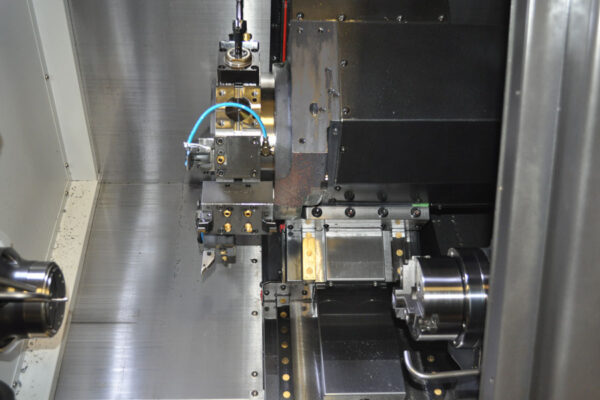
When a component is round, detailed, and made to repeat consistently, CNC turned parts are practical. CNC turning rotates bar stock or a workpiece while cutting tools remove material to create the required diameter, profile, bore, groove, or thread. Understanding the process helps buyers choose a capable supplier, prepare better quote packages, and avoid delays.
What Are CNC Turned Parts?
Unlike milling, which moves a rotating cutter against a secured workpiece, turning spins the workpiece. That motion makes the process well suited to cylindrical components such as shafts, pins, bushings, spacers, fittings, and threaded features. Depending on the machine and design, CNC turned parts can include outside and inside diameters, tapers, shoulders, grooves, holes, and threads.
Computer control directs tool movement according to a programmed sequence. Once the setup, tooling, and program are proven, operations can repeat across a run. Still, accurate CNC turned parts depend on more than automation. Material behavior, tool selection, workholding, cutting conditions, and inspection affect the result.
Design Details That Affect Turning
A clear drawing is the starting point for dependable CNC turned parts. It should identify dimensions, tolerances, materials, finishes, threads, and features that are critical to function. A 3D model can communicate geometry, but the drawing should still define requirements that cannot be inferred safely from the model.
Diameter-to-length ratio matters. Long, narrow parts can flex under cutting pressure, while deep bores and thin walls may require special tooling. Tight tolerances belong where function requires them. Applying restrictive tolerances everywhere can add inspection, setup, and production time without improving performance.
Material selection influences how CNC turned parts are cut and finished. Plastics, aluminum, stainless steel, and tool steels behave differently during machining. Heat, chip formation, rigidity, and tool wear matter when planning CNC turned parts. We work with these materials in small quantities and larger production lots through our machining services.
Equipment and Setup Considerations
The right turning center for CNC turned parts depends on size, geometry, stock form, and volume. Bar feeders support repeated work from bar stock, while live tooling can complete selected off-center or cross features without a separate machine. A sub-spindle can help finish the back side.
These capabilities can reduce handling and setups for suitable CNC turned parts. We use multiple Haas turning centers, including bar-fed machines, plus a Doosan Lynx 220 LSYC with live tooling and a sub-spindle. Capacities are listed on our CNC manufacturing capabilities page.
Inspection and Repeatability
Quality planning for CNC turned parts begins before chips are made. Manufacturers identify critical characteristics and decide how to check them. Calipers and micrometers suit some features, while complex relationships may require optical comparison, height measurement, or coordinate measurement.
For repeat orders, controlled programs, stable workholding, documented setups, and inspection help keep CNC turned parts consistent. Our equipment includes a Brown & Sharpe CMM, optical comparator, height-measuring system, Rockwell-type hardness tester, and calibrated granite inspection tables. Discuss reporting needs when requesting CNC turned parts, not after production begins.
Moving From Prototype to Production
A prototype can reveal fit, function, access, and manufacturability concerns before a larger order. After approval, planning may refine tools, cycle steps, inspection frequency, or material handling. The process for ten CNC turned parts will not always match the process for thousands.
At In-X Machine, we support turning and milling quantities from 10 to 10,000 pieces. Our production machining capabilities cover the transition from prototype to production. We serve medical, aerospace, defense, technology, automotive, and other customers, evaluating CNC turned parts against their specifications.
Preparing a Useful Quote Request
For an accurate review, provide the drawing and model, quantity, material specification, finish, delivery target, and documentation. Mark critical features and explain whether repeat orders are expected. If alternate materials or small design changes are acceptable, mention that early.
Good information helps us select equipment, identify risks, and plan inspection before pricing CNC turned parts. If you need CNC turned parts, our team can review your requirements and determine whether our turning, finishing, and quality capabilities fit. Request a quote to start a specification-focused conversation.